To lead AI transformation: Be like a steeplejack.
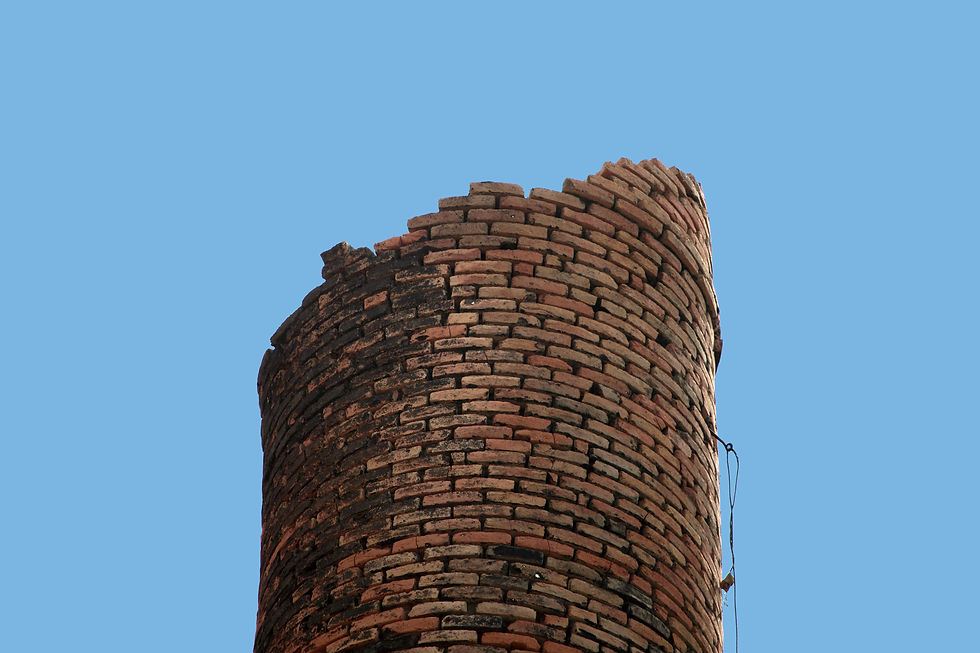
Fred Dibnah was a steeplejack whose work was covered in some documentaries. He spoke quite a lot about his work and the risks inherent in it.
What I find interesting and relevant today are his observations about how the nature of work changed over time due to technology. Dibnah started his steeplejack career maintaining brick chimney stacks many of which were built during the 19th century. He worked on hundreds of them. He was an expert at fixing them and it is clear from the documentaries that he loved doing the work.
Then a significant technological change occurred which rapidly resulted in all of those chimneys becoming useless. Within a few years the once critical chimney stack infrastructure became totally obsolete. Had Dibnah decided that he only built chimneys then the change would have ended his career.
But there was still work for him to do and he went from maintaining the chimneys to becoming a specialist in demolishing them. Over time he demolished many of the chimneys he had previously maintained and he became famous for that work. He said "I set out as a steeplejack in my youth to preserve chimneys. I've finished by knocking most of them down."
There are parallels now as AI is displacing some of the work previously done by humans. Those doing the work that is becoming less relevant have the same decision to make as Fred Dibnah. Some are out there still trying to build the chimneys. Those who keep delivering value will be the ones who adapt and use their skills to design, enable and embed the new technologies. During this period those with the experience to see the context of that transition will be invaluable to the change management and transformation process.
Then in only a few short years the transition itself will be largely forgotten as will those who insist on building real or imaginary chimneys. They will be forgotten just like the chimneys Dibnah demolished. Now there are hospitals, housing estates and parks where all of that work was done. That’s progress and a challenge for today’s leaders to design solutions for.
Comments